Reviews
Two-Color Duo transforms a basic premise into a genuinely engaging cooperative experience. The level design steadily introduces new hazards that force players to coordinate their movements carefully. What sets it apart is how it makes communication essential without feeling forced. The clean visual style keeps attention on the puzzle elements, and the lack of checkpoints adds meaningful tension to each stage. While the game is relatively short, the satisfaction of completing a tricky level with a partner makes it well worth playing. It is an excellent choice for friends or family looking for a shared challenge that does not require complex controls.
About this game
Core Teamwork Mechanics
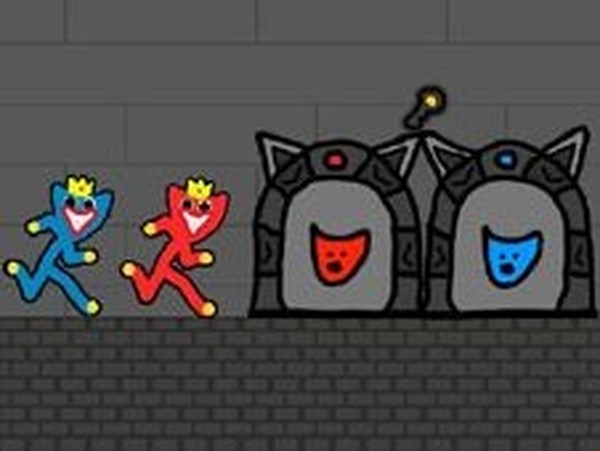
In Two-Color Duo, each player takes control of a distinct stick figure. The red character moves with arrow keys, while the blue character uses WASD controls. The central challenge is navigating each stage as a pair, requiring both figures to reach the exit door. To unlock that door, a key must be collected somewhere in the level. This simple setup creates a rich foundation for cooperative problem-solving, as players must decide who retrieves the key and how to keep both characters safe during the process.
Obstacle Course Design
Levels are built around a variety of hazards that test timing and coordination. Water pits require careful jumps, while spike traps demand precise positioning. The layout often forces players to split up temporarily, then reunite, adding tension to every move. Unlike solo platformers, here each player must consider their partner's position before acting. A single mistake by either player can reset the entire stage, reinforcing the need for patience and shared planning.
Scoring and Collectibles
Scattered throughout each stage are small diamonds that add to the team's score. Collecting them is optional but encourages thorough exploration. These gems do not affect progression directly, but they provide a satisfying reward for teams that take the time to search every corner. The scoring system adds a light competitive element for groups aiming to improve their performance on repeated plays.
Visual Style and Accessibility
The game uses a clean, minimalistic art style with bright colors that make characters and hazards easy to distinguish. This simplicity helps players focus on the puzzle elements rather than complex visuals. The controls are straightforward, making the game accessible to players of different ages and skill levels. It runs smoothly on mobile devices and web browsers, allowing for quick sessions or longer cooperative marathons.
Strategic Communication Tips
Effective teams discuss each obstacle before moving. Calling out upcoming traps or coordinating jumps prevents many restarts. It helps to assign roles, such as one player leading through tricky sections while the other follows closely. Taking a moment to survey the entire level layout before acting can reveal hidden paths or safer routes. Regular practice with the same partner builds a natural rhythm that makes later stages feel more fluid.
Compatibility
Play on Any Device | Chrome / Safari / Edge Recommended






Comments
0 comments