Reviews
This game stands out for its peaceful atmosphere and thoughtful design. The room feels authentic, with cultural details that enhance the experience without overwhelming it. Puzzles are logical and satisfying to solve, and the lack of time pressure makes it accessible to all skill levels. It is a short but polished experience that respects the player's time and attention.
About this game
Atmosphere and Setting
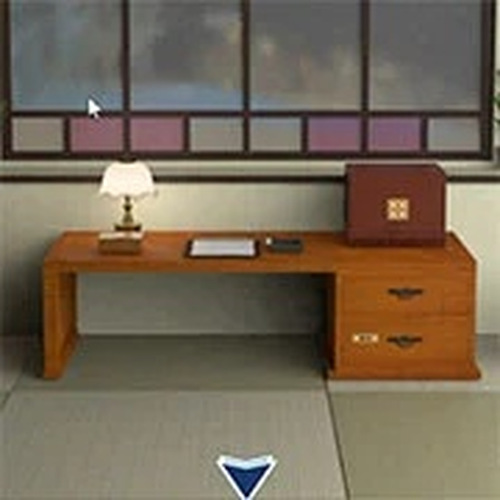
The game places you in a single, carefully designed room that draws from traditional Japanese aesthetics. Sliding doors, woven mats, and subtle wall art create a calm environment. The focus is on peaceful exploration rather than urgency. Every object, from a small vase to a folded piece of cloth, fits naturally into the space. This setting encourages players to slow down and notice details they might otherwise overlook.
Core Puzzle Mechanics
Progress depends on finding and combining items. You might pick up a key from a drawer, then use it to open a cabinet. Patterns on screens or the arrangement of items often hint at what to do next. The puzzles rely on logic and observation, not speed. There are no timers or penalties, so you can think through each step without pressure. If you get stuck, revisiting earlier spots or trying different item combinations usually helps.
Visual Design and Cultural Details
The graphics emphasize authenticity through simple, clean lines and muted colors. Traditional patterns appear on fabrics and screens, adding depth without distraction. The room layout feels natural, with objects placed where they might be in a real home. These cultural touches make the experience feel grounded and respectful, not just decorative. Players who appreciate Japanese design will find the visuals particularly satisfying.
Pacing and Player Experience
The game moves at a gentle pace. There are no sudden events or time-based challenges. Each solved puzzle gives a small sense of accomplishment, but the overall mood remains relaxed. This makes it suitable for players who want a mental workout without stress. The experience is short enough for a single session but offers enough variety to feel complete. It works well as a break from more intense games.
Compatibility
• OS: Windows 10+, macOS 11+, iOS 14+, Android 10+
• Browsers: Chrome 100+, Safari 15+, Edge 100+, Firefox 100+
• Not compatible with Internet Explorer
Tested on real devices ✅ works as expected






Comments
0 comments